With a VND 1 billion interest-free loan fund from BAT Vietnam’s “Women’s Empowerment” program, 100 households of women in difficult circumstances in three communes of Tay Ninh province (Nhon Hoa Lap, My Quy and Dong Thanh) gained access to capital for their small businesses and have gradually built stable livelihoods for their families. After one year of implementation, the loan repayment rate was 100%.
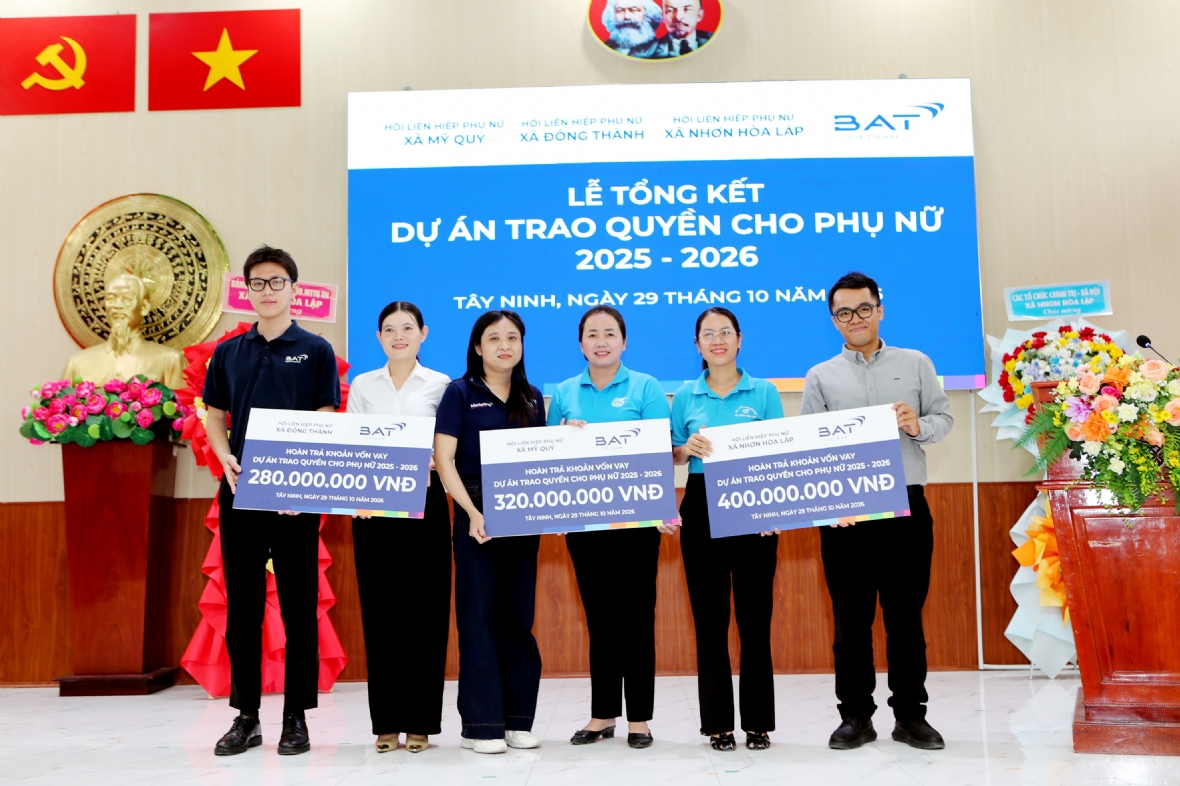
Along the border roads and in the remote rural areas of Tay Ninh province, finding stable livelihoods for women in difficult circumstances has long been a concern for local authorities.
Recognizing this reality, BAT Vietnam’s “Women’s Empowerment” program for 2025–2026 worked with the local Women’s Union to provide VND 1 billion in loans to 100 members in three communes: Nhon Hoa Lap (40 households), My Quy (32 households) and Dong Thanh (28 households). Each VND 10 million loan was interest-free for 12 months and gave women in the border area timely financial support to start income-generating activities and take greater control of their own lives.
Livelihood Models Drawn from Real Life
After a full year of implementation, the 100 loans had become 100 business plans tailored to the circumstances of each household. At the program wrap-up ceremony held in Nhon Hoa Lap commune in late October 2026, the women’s progress was reflected not only in figures in reports, but also in the income-generating activities now visible in their gardens and at their market stalls.
In the riverside area of Dong Thanh, the loan capital was used to buy plastic boats to transport farm produce along the canals, a water pump to irrigate orchards, and pregnant breeding cows that are expected to generate additional income. For women without farmland in My Quy and Dong Thanh communes, the VND 10 million loan was used to start small businesses, such as a hu tieu (noodle soup) cart that serves customers every morning, a small grocery shop at the entrance of an alley, or a mobile street-vending business combined with raising chickens in the backyard, or to buy a welding machine. Each of these provides daily income.
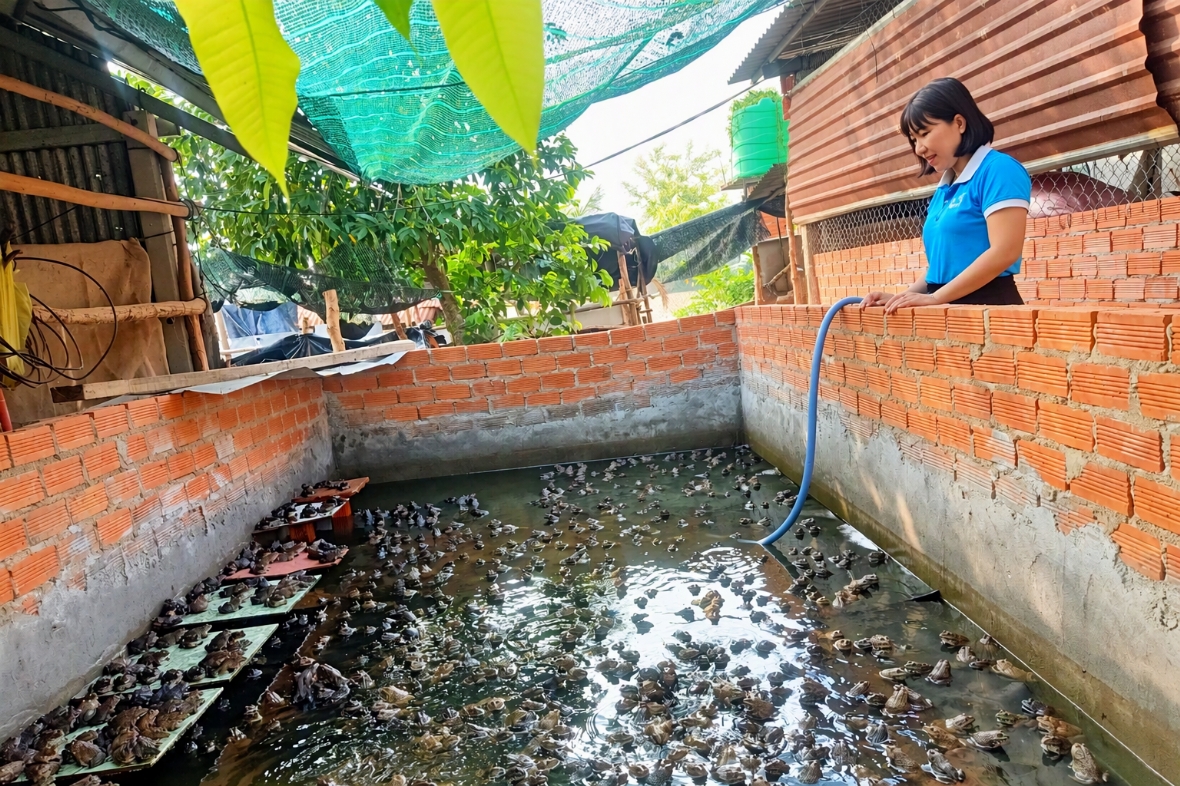
Meanwhile, in Nhon Hoa Lap commune, livelihoods combine improved farming methods with small-scale handicrafts. After just two batches of livestock were sold, households raising chickens and pigs earned a profit of VND 7–14 million per batch. Snakehead fish ponds and frog tanks, which make use of the small spaces around the home, brought each household a profit of VND 10–15 million per cycle. Even during the slack farming season, sewing garments and bags on contract, weaving plastic baskets and making traditional brooms helped the women earn an additional VND 3–8 million per month.
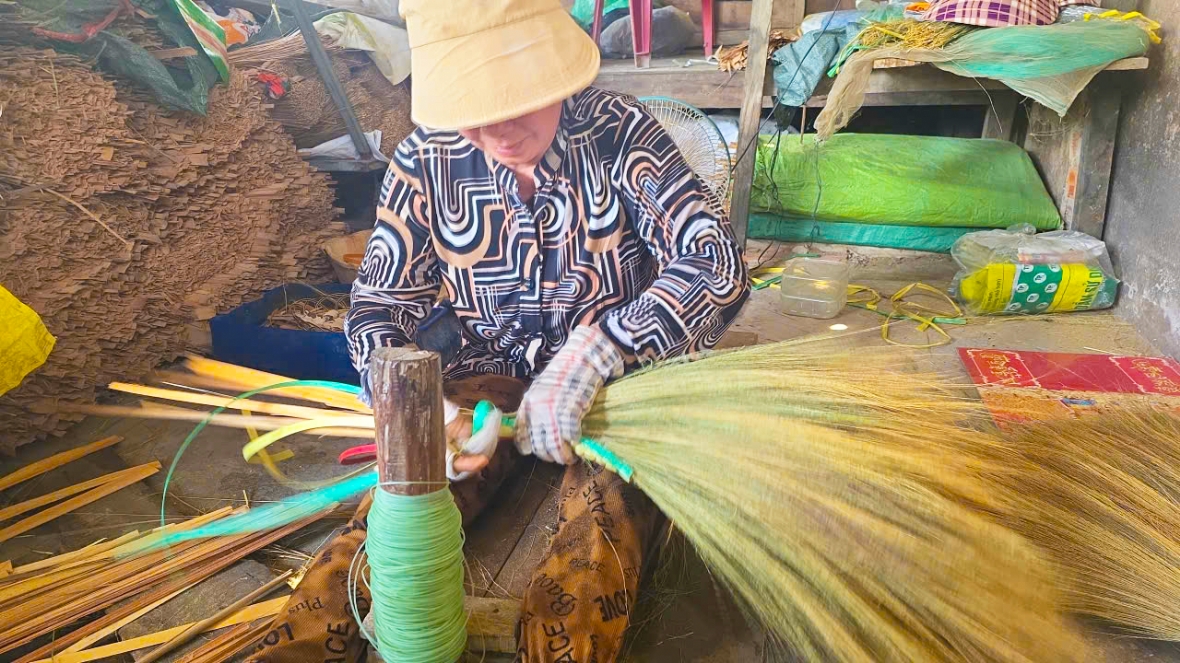
With the profits they had set aside, many families were able to pay in full for their children’s school supplies and clothing for the new school year, without having to scramble for loans from many sources as before. Some were even able to buy new household items and electronic devices.
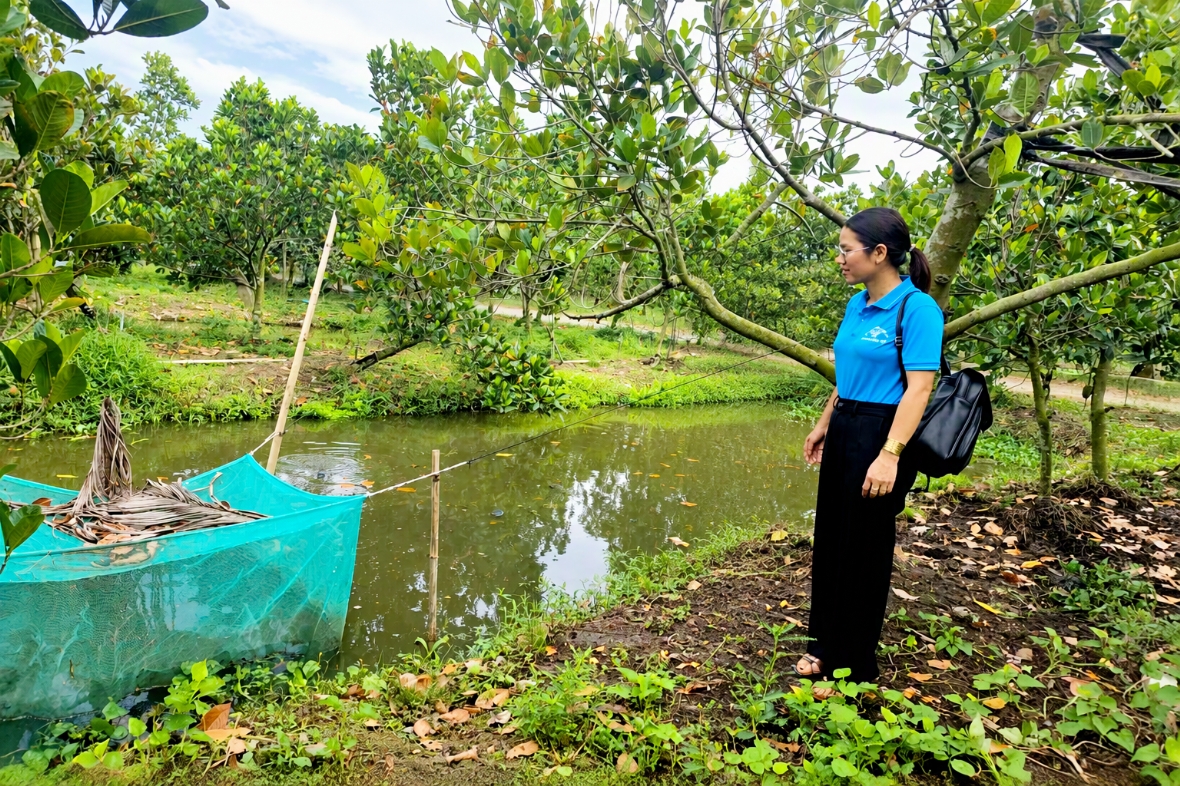
In addition, a practical part of the “Women’s Empowerment” program was that the commune Women’s Unions worked closely with local authorities, veterinary officers and agricultural service centers to organize a series of vocational training classes and technical knowledge-transfer sessions, with hundreds of attendances by members in total.
Members received detailed guidance on selecting breeding stock, keeping animal housing clean, preventing seasonal diseases and calculating input costs. This training equipped households with knowledge to help them respond to fluctuations in animal feed prices and weather conditions over the past year.
A Shift in Financial Mindset and Support for Security in the Border Area
Looking back after one year, the most important result is not only the pigs sold or the boats loaded with fresh produce, but also that the program helped build savings and financial management habits among participating households.
From the first day of disbursement, the Women’s Unions in all three communes persistently encouraged members to join a regular savings scheme of VND 500,000 to 800,000 per month. At first, many members were unfamiliar with the idea. Through friendly group meetings, however, they gradually came to understand that setting aside a small part of their monthly income is not a burdensome obligation, but a way to build a reserve fund and develop financial discipline for their own families. Thanks to this habit of saving little by little, when the 12-month loan cycle ended in October 2026, all three communes (Nhon Hoa Lap, My Quy and Dong Thanh) recorded the same result: 100% of the disbursed capital was repaid in full and on time, with no overdue debt.
The savings they set aside regularly throughout the year allowed the women to repay the loan principal without disrupting their families’ working capital. The savings also strengthened the women’s confidence in managing their own finances.
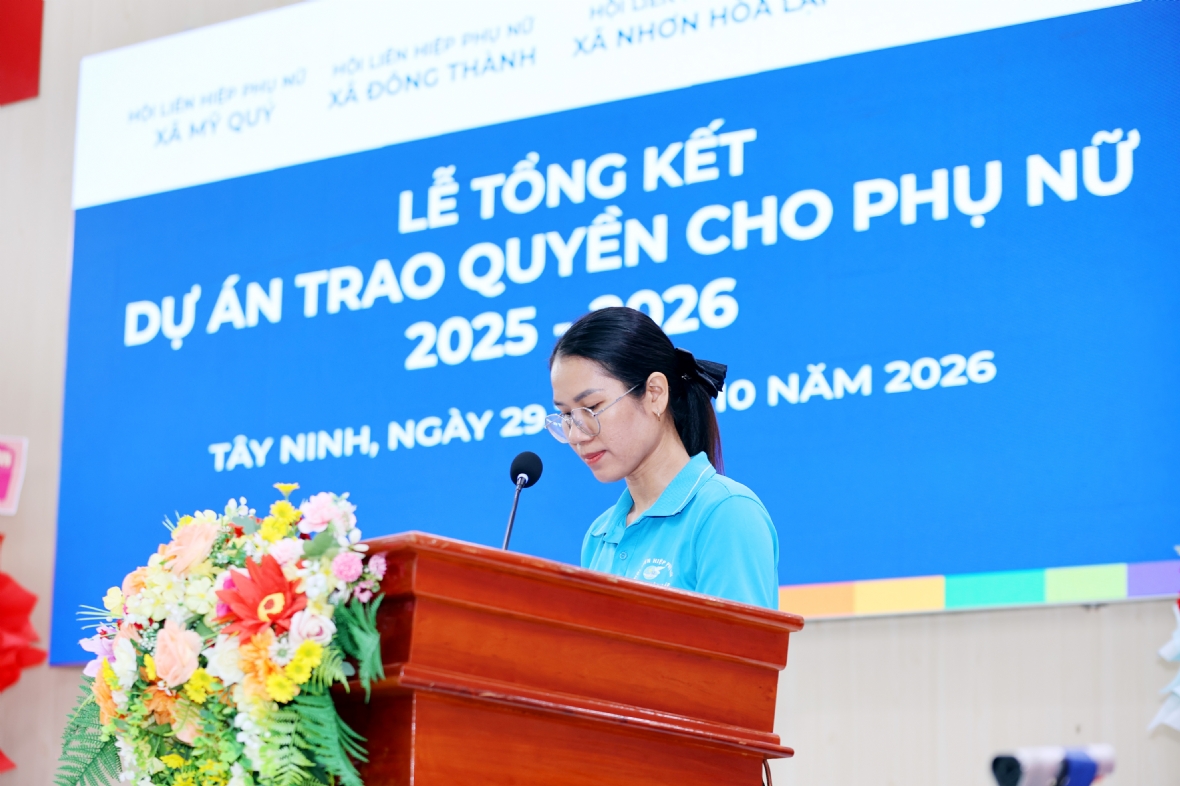
Speaking at the wrap-up ceremony, Ms. Nguyen Thi Chon, Chairwoman of the Women’s Union of Nhon Hoa Lap commune, said: “After closely following each borrowing household for almost a year, we are happiest to see that BAT Vietnam’s interest-free capital has not only helped the women earn extra income to support their children’s education and buy household items, but, more importantly, has changed the way rural women think about earning a living. We sincerely hope that this caring source of capital will continue to be maintained and expanded to support more women in difficult circumstances in our area.”
Alongside providing loans, the Women’s Unions of the three communes worked with the local Police and Border Guard stations to organize legal awareness sessions, as border areas are often smuggling hotspots. These sessions recorded more than 750 attendances. In My Quy commune, all households reached by the outreach campaign signed a commitment not to take part in, or help with, the cross-border trade of smuggled cigarettes. In Dong Thanh and Nhon Hoa Lap communes, according to records kept by the local Women’s Union during the project period, no program member was recorded as having been penalized for illegal border crossing or for smuggling prohibited goods. This suggests that when women and communities are supported to gain stable jobs and income, the temptation to carry smuggled goods across the border may gradually decrease.
A symbolic board marking the repayment of the loan fund was presented at the wrap-up ceremony, bringing one support cycle to a close. The parties hope to continue, and to consider expanding, suitable models, subject to evaluation results and available resources. With BAT Vietnam’s support, the livelihood models in these communes may continue to spread, contributing to more stable, comfortable and resilient households in the border area.
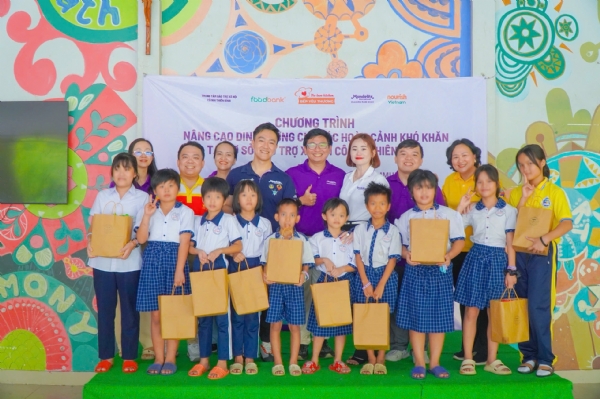
Recently, Mondelez Kinh Do partnered with FoodBank Vietnam to organize the Love Kitchen volunteer program at Co Nhi Thien Binh Social Protection Center in Dong Nai Province.
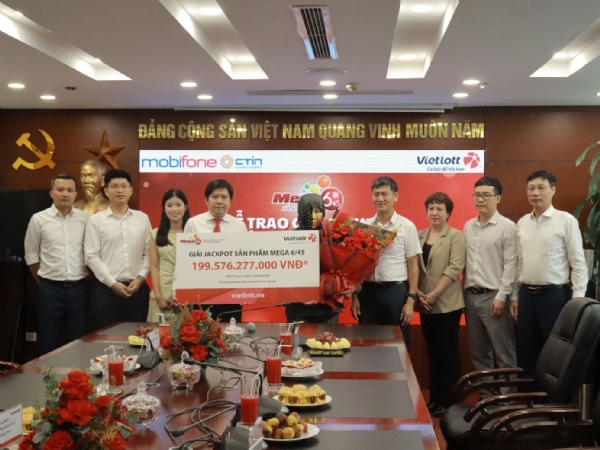
On October 12, 2026, the Vietnam Lottery Company (Vietlott) held an award ceremony for the winner of the Mega 6/45 lottery draw No. 01571, who received a Jackpot prize worth VND 199,576,277,000.
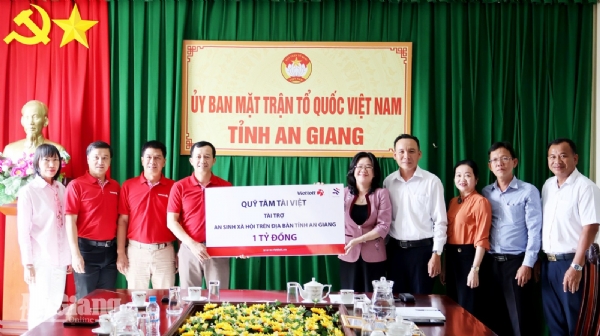
On the morning of October 27, 2026, Vietnam Lottery Company (Vietlott) donated VND 1 billion to support social welfare activities in An Giang Province, in accordance with the wishes of a lottery winner.
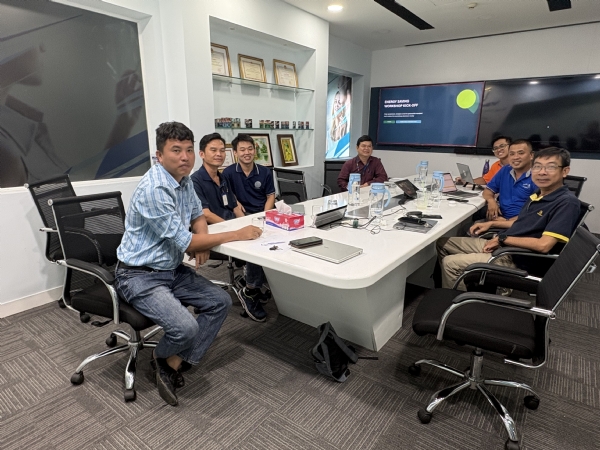
In September 2026, BAT Vietnam held Energy Saving Workshops at its two manufacturing sites in Dong Nai Province (BAT-Vinataba JV) and in Vinh Loc Commune, Ho Chi Minh City (VINA-BAT JV) to review energy use, discuss current operating practices and identify improvement opportunities for further consideration.
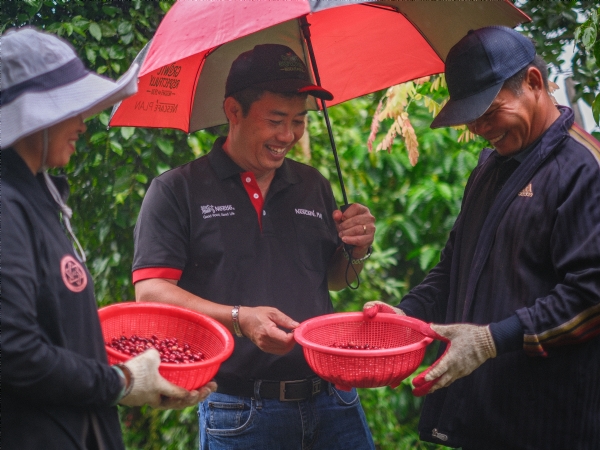
Nguyen Trong Tuong was first introduced to the ILO’s WIND approach in 2022. Four years later, he is not only teaching it himself but continually looking for ways to make safer and healthier work part of everyday coffee farming in Viet Nam.
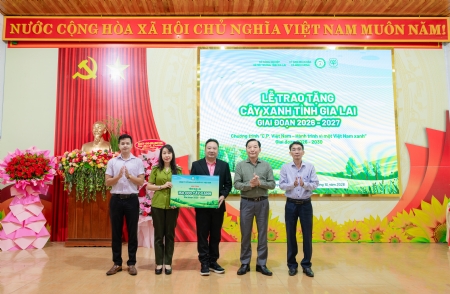
On October 10, 2026, at the People’s Committee Hall of Binh Duong Commune, Gia Lai Province, the Forestry and Forest Protection Department, in coordination with C.P. Vietnam Corporation (C.P. Vietnam) and the Gia Lai Department of Agriculture and Environment, held the “Ceremony to Donate Trees to Gia Lai Province for 2026-2027.” The event was part of the “C.P. Vietnam – Journey for a Green Vietnam” program for 2026-2030.
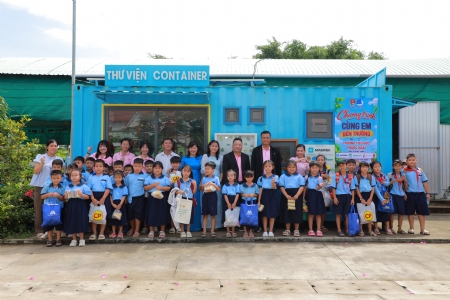
In October 2026, C.P. Vietnam, together with the Youth Social Work Club (YSWC) and partner companies including Maersk Vietnam and LYS Energy Vietnam, returned to refresh the Container Libraries in Tay Ninh and Vinh Long.
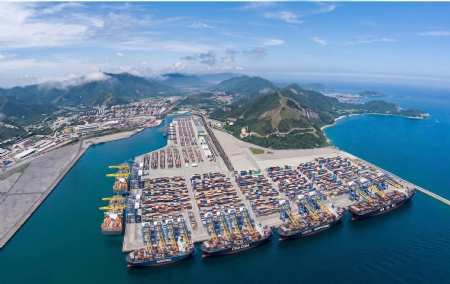
How Hateco and APM Terminals are combining Vietnamese insight, global expertise and advanced technology to create a safer, smarter and more sustainable container terminal.
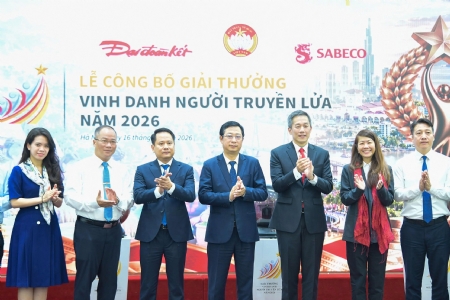
Hanoi, October 16th, 2026 – Saigon Beer – Alcohol – Beverage Corporation (SABECO), under the guidance of the Vietnam Fatherland Front (VFF) and in partnership with Dai Doan Ket Newspaper, today officially launched the “Ambassadors of National Progress Award 2026”.
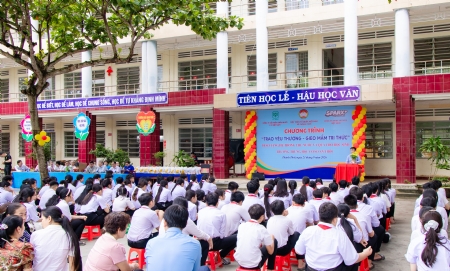
The "Sharing Love – Sowing Knowledge" program at An Thoi Secondary School marks the third stop of the "Clean Water for Students" project, which C.P. Vietnam Corporation (C.P. Vietnam) has supported since 2025.